
The sable dachshund is one of the most visually striking dachshund varieties, featuring a breathtaking multi-toned coat where each individual hair is banded with darker pigment at the tip and lighter color at the base. This creates a shimmering, dimensional look that shifts beautifully in different lighting. If you’ve been wondering what makes the sable dachshund coat pattern so special, here’s the short answer: the agouti gene produces a layered color effect unlike any solid or patterned dachshund coat. This distinctive sable color dachshund variety has surged in popularity among dog lovers — and for good reason. It combines the classic dachshund personality with one of the most captivating coat patterns in the canine world. Whether you’re a prospective owner, a breeder, or simply a dachshund enthusiast, this comprehensive guide covers everything you need to know about sable dachshunds, including their genetics, color variations, grooming requirements, temperament, health considerations, and how they compare to other dachshund coats and colors.
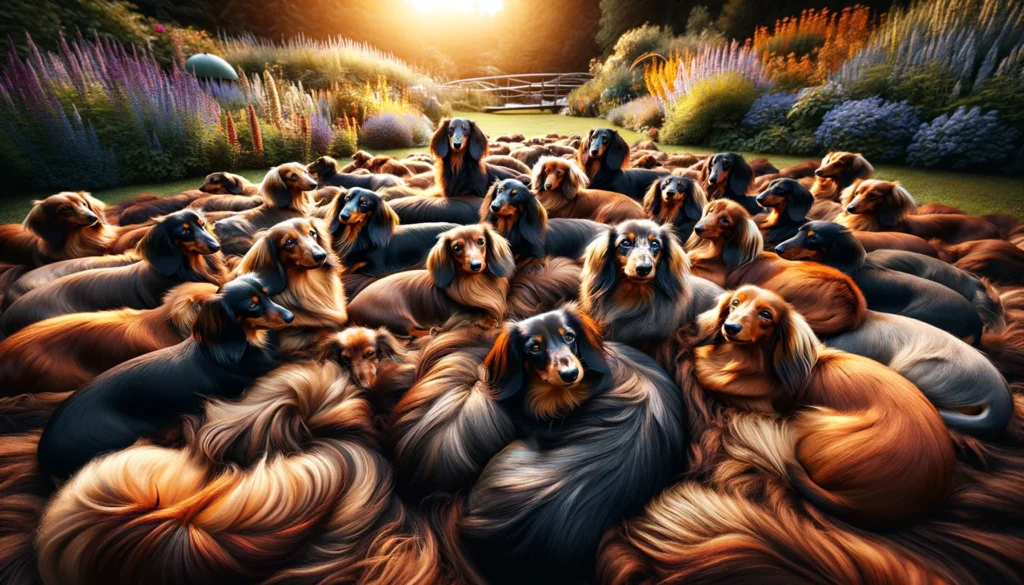
Sable Dachshund — Colors, Coats, and Complete Buyer’s Guide
Key Takeaways
- Unique Genetic Trait: Sable dachshunds boast a distinctive coat pattern thanks to the ‘agouti’ gene, creating a multi-dimensional color effect that’s both rare and captivating.
- Diverse Color Palette: Their coats come in a variety of base colors, from deep blacks to warm reds and soft creams, each accented with darker tips for a stunning sable effect.
- Care and Maintenance: Maintaining the luster and health of a sable dachshund’s coat requires regular grooming and a thoughtful bathing routine to preserve their natural oils.
- Dynamic Personalities: Beyond their striking appearance, sable dachshunds are known for their loyal, brave, and affectionate nature, making them delightful companions.
- Health and Well-being: Potential owners should be mindful of the breed’s predisposition to spinal issues, emphasizing the importance of proper care and prevention strategies.
What Is a Sable Dachshund?
A sable dachshund is a dachshund that carries the sable coat pattern — a color variation where individual hairs are banded with multiple pigments. Unlike solid-colored dachshunds, a sable color dachshund displays hairs that are lighter at the root and progressively darker toward the tip. This creates a beautiful overlay effect that gives the coat depth, dimension, and an almost iridescent quality.
The sable pattern is recognized by the AKC and can appear across all three dachshund coat types: smooth, long-haired, and wire-haired. It is most commonly seen in long-haired dachshunds, where the flowing fur accentuates the color gradient beautifully. However, sable can also appear in smooth coat dachshunds and wire-haired dachshunds, though the visual effect differs due to hair length and texture.
It’s worth noting that the sable pattern is distinctly different from other multi-toned patterns such as brindle dachshunds, which feature a tiger-stripe pattern rather than banded individual hairs. The sable pattern also differs from dapple, piebald, and other recognized dachshund patterns in both genetic origin and visual appearance.
The Genetics Behind the Sable Dachshund Coat Pattern
The sable dachshund coat pattern is controlled by the agouti gene locus (A locus), which determines how pigment is distributed along each hair shaft. In sable dachshunds, the agouti gene instructs each hair to produce eumelanin (dark pigment) at the tip and phaeomelanin (lighter pigment) at the base. This banding effect is what produces the characteristic sable appearance.
The sable allele (ay) is dominant over other alleles at the A locus, meaning a dachshund only needs one copy of the sable gene to express the pattern. When a sable dachshund is bred with another sable, the likelihood of producing sable offspring increases significantly. However, because sable is dominant, it can also mask other agouti patterns the dog may carry, which is an important consideration for breeders.
How the Agouti Gene Works in Dachshunds
The agouti signaling protein (ASIP) regulates the switch between eumelanin and phaeomelanin production during hair growth. In sable dachshunds, ASIP is active during the early growth phase of the hair, producing lighter pigment, and then tapers off — allowing darker eumelanin to dominate the tip. This is why you see that signature dark overlay on top of a lighter base color.
Other genes also influence the final appearance of a sable dachshund’s coat. The E locus (extension gene) and B locus (brown gene) can modify the specific shade of the dark tips and the base color. For example, a sable dachshund with the brown dilution gene will have chocolate-tipped hairs instead of black-tipped hairs.
Sable vs. Shaded Red: Understanding the Difference
One common point of confusion is the difference between a sable dachshund and a shaded red dachshund. While both can look similar at first glance — both featuring dark overlay on a red base — they are genetically distinct. A true sable carries the ay allele at the A locus, while a shaded red is typically caused by different genetic modifiers. An experienced breeder or genetic test can help distinguish between the two.
Sable Dachshund Color Variations
The sable color dachshund comes in several beautiful variations depending on the base coat color and the intensity of the dark tipping. Here are the most common sable dachshund color combinations:
Red Sable Dachshund
The most common sable variation, the red sable dachshund features a warm red or golden base coat with black-tipped hairs. The intensity of the dark overlay can range from a subtle dusting to a heavy dark mask across the back, ears, and face. Red sable is the variety most people picture when they think of a sable dachshund.
Black and Tan Sable Dachshund
In this variation, the base color is tan or cream in the traditional tan-point areas, with dark sable overlay creating a rich, complex appearance. The black and tan sable dachshund can sometimes be difficult to identify because the dark overlay blends with the existing dark portions of the coat.
Chocolate Sable Dachshund
Instead of black tips, the chocolate sable dachshund features brown or liver-tipped hairs over a lighter base. This variation occurs when the dog carries the recessive brown gene (b/b) at the B locus, which dilutes black pigment to chocolate. The result is a warm, earthy-toned coat that’s particularly striking.
Cream Sable Dachshund
The cream sable features a very light base coat — ranging from pale cream to ivory — with darker tipping. This variation is more subtle than red or chocolate sable but is equally beautiful. In some cream sable dachshunds, the dark overlay fades significantly as the dog matures, sometimes making adult identification challenging.
Sable Dachshund Coat Types
The sable pattern can express across all three recognized dachshund coat types, though the visual appearance varies with each:
Long-Haired Sable Dachshund
The long-haired sable dachshund is arguably the most spectacular expression of the sable pattern. The longer fur allows the color gradient to flow and shimmer, creating a luxurious, almost magical appearance. The feathering on the ears, chest, legs, and tail showcases the sable banding beautifully. Regular brushing is essential to prevent matting and maintain the coat’s natural luster.
Smooth-Haired Sable Dachshund
On a smooth coat dachshund, the sable pattern appears more subtle because the shorter hair doesn’t display as much of the color gradient. However, close inspection reveals the characteristic banded hairs, and the overall effect is a warm, rich tone that appears to glow in sunlight. Smooth sable dachshunds are easier to groom but may not showcase the pattern as dramatically.
Wire-Haired Sable Dachshund
Wire-haired dachshunds with sable coloring have a unique textured appearance. The coarse outer coat and softer undercoat create an interesting interplay of colors. Some wire-haired dachshunds, including the silky wire-haired dachshund variety, may display the sable pattern differently due to their distinctive coat texture. Wire-haired sable dachshunds require regular hand-stripping or professional grooming to maintain their coat properly.
How to Identify a Sable Dachshund
Identifying a sable dachshund requires knowing what to look for. Here are the key characteristics:
- Banded hairs: The hallmark of the sable pattern. Part the coat and examine individual hairs — they should be lighter at the base and darker at the tip.
- Dark overlay: Look for a darker shading, especially across the back, ears, head, and tail. This dark overlay sits atop the lighter base color.
- Color shift: Sable dachshunds often appear to change color slightly depending on lighting conditions and the angle from which you view them.
- Puppy development: Sable puppies are often born darker and may lighten as they mature, or the dark overlay may become more pronounced — it varies by individual.
If you’re unsure whether a dachshund is truly sable, a DNA coat color test can provide definitive answers by identifying the specific alleles present at the agouti locus.
Sable Dachshund Temperament and Personality
While the sable dachshund coat pattern is what initially draws many people to this variety, it’s important to understand that coat color does not influence temperament. Sable dachshunds share the same wonderful personality traits as all dachshunds — they are courageous, clever, loyal, and sometimes stubbornly independent.
Originally bred as badger-hunting dogs in Germany, all dachshunds — including sable varieties — retain a bold, tenacious spirit. They are fiercely devoted to their families and can be surprisingly protective despite their small size. Sable dachshunds are also known for being playful, curious, and highly food-motivated, which can be leveraged during training.
That said, dachshunds can be prone to:
- Stubbornness: They have an independent streak that requires patient, consistent training.
- Barking: They were bred to alert hunters, so they can be vocal.
- Separation anxiety: They bond deeply with their owners and may become anxious when left alone for extended periods.
- Prey drive: Their hunting background means they may chase small animals.
Early socialization and positive reinforcement training help sable dachshunds become well-rounded, confident companions. If you’re new to the breed, our Dachshund 101 guide covers the fundamentals of dachshund ownership.
Grooming and Care for Sable Dachshunds
Proper grooming is essential to maintain the beauty and health of a sable dachshund’s coat. The specific grooming routine depends on the coat type:
Grooming a Long-Haired Sable Dachshund
- Brushing: Brush 3-4 times per week with a slicker brush or pin brush to prevent tangles and matting.
- Bathing: Bathe every 4-6 weeks using a gentle, pH-balanced dog shampoo. Avoid over-bathing, as it strips natural oils that give the sable coat its shine.
- Trimming: Light trimming around the paw pads and sanitary areas keeps things tidy without altering the coat’s natural beauty.
- Ear care: Long-haired dachshunds are prone to ear infections, so check and clean ears weekly.
Grooming a Smooth-Haired Sable Dachshund
- Brushing: Weekly brushing with a soft bristle brush or grooming mitt is usually sufficient.
- Bathing: Every 6-8 weeks or as needed.
- Skin care: The shorter coat means the skin is more exposed, so watch for dryness or irritation.
Grooming a Wire-Haired Sable Dachshund
- Hand-stripping: 2-3 times per year to maintain proper coat texture and promote healthy new growth.
- Brushing: Weekly brushing with a bristle brush or comb.
- Beard and eyebrow care: Wire-haired dachshunds have distinctive facial furnishings that need regular cleaning and grooming.
Nutrition for a Healthy Sable Coat
A high-quality diet rich in omega-3 and omega-6 fatty acids supports coat health from the inside out. Hill’s Pet nutrition guide covers which ingredients matter most for coat quality. Look for dog foods that include fish oil, flaxseed, or other sources of essential fatty acids. Supplementing with fish oil capsules can also enhance coat shine and reduce shedding. And if you’re looking for healthy treat options, you might be interested in learning whether dogs can eat bananas — a nutritious, coat-friendly snack.
Health Considerations for Sable Dachshunds
Sable dachshunds face the same health considerations as all dachshunds. The sable coat pattern itself does not cause or correlate with any specific health problems — unlike some patterns like double dapple, which can be associated with hearing and vision issues.
Intervertebral Disc Disease (IVDD)
The most significant health concern for all dachshunds is intervertebral disc disease (IVDD), which affects the spinal discs due to the breed’s elongated body. Studies suggest that approximately 25% of dachshunds will experience some degree of IVDD during their lifetime. To reduce risk:
- Keep your sable dachshund at a healthy weight
- Use ramps instead of allowing jumping on and off furniture
- Support the full body when lifting — never pick up a dachshund under the front legs alone
- Provide regular, moderate exercise to strengthen supporting muscles
Other Common Health Issues
- Obesity: Dachshunds love food and are prone to weight gain, which worsens IVDD risk.
- Dental disease: Small breeds are susceptible to dental problems; regular brushing and dental check-ups are important.
- Progressive retinal atrophy (PRA): An inherited eye condition that can lead to blindness.
- Hip dysplasia: Though less common than in larger breeds, it can occur in dachshunds.
- Epilepsy: Some dachshunds may develop seizure disorders.
Regular veterinary check-ups, a balanced diet, appropriate exercise, and genetic testing (when breeding) are the best strategies for keeping your sable dachshund healthy throughout their 12-16 year lifespan.
How Much Does a Sable Dachshund Cost?
The price of a sable dachshund varies based on several factors including coat type, breeder reputation, lineage, geographic location, and whether the dog is pet quality or show quality. Generally, you can expect:
- Pet-quality sable dachshund: $1,000 – $2,500
- Show-quality sable dachshund: $2,500 – $5,000+
- Rare color combinations (e.g., chocolate sable, cream sable): May command premium pricing
When purchasing a sable dachshund, always choose a reputable breeder who performs health testing on their breeding dogs, provides health guarantees, and raises puppies in a clean, socialized environment. Avoid puppy mills and backyard breeders who prioritize color over health.
Adoption is also a wonderful option. Sable dachshunds occasionally appear in breed-specific rescues — check the Humane Society’s rescue finder, and adoption fees typically range from $200 – $500.
Sable Dachshund vs. Other Dachshund Coat Patterns
Understanding how the sable pattern compares to other dachshund coat patterns can help you appreciate what makes it unique:
| Pattern | Description | Genetic Basis |
|---|---|---|
| Sable | Banded hairs — dark tips over lighter base | Agouti gene (A locus, ay) |
| Brindle | Tiger-stripe pattern over base color | K locus (kbr) |
| Dapple | Random lighter patches on darker base | Merle gene (M locus) |
| Piebald | White patches with colored areas | S locus (sp) |
| Solid | Uniform single color throughout | Various loci |
Each pattern has its own beauty, but the sable’s multi-dimensional, shimmering quality is truly one of a kind. If you love celebrating your dachshund, don’t miss our guide to National Dachshund Day 2026. For a deeper dive into other patterns, explore our guide on brindle dachshunds or our comprehensive overview of all dachshund coats and colors.
Tips for Finding a Sable Dachshund Puppy
If you’ve decided a sable dachshund is the right dog for you, here are practical tips for finding your perfect puppy:
- Research breeders thoroughly: Look for breeders who specialize in sable dachshunds and can demonstrate knowledge of coat color genetics.
- Ask for health clearances: Reputable breeders test for IVDD risk, PRA, and other genetic conditions.
- Meet the parents: Seeing the sire and dam gives you an idea of what the puppy’s adult coat will look like.
- Request a DNA color test: This confirms the puppy is genuinely sable and reveals what other color genes it carries.
- Be patient: Quality sable dachshund litters may have waitlists. A responsible breeder is worth the wait.
- Consider adoption: Check dachshund rescues — beautiful sable dachshunds need forever homes too.
Do Sable Dachshund Coats Change With Age?
Yes, the sable dachshund coat pattern can evolve as the dog matures. Sable puppies are often born with more pronounced dark overlay that may lighten somewhat as they grow. Conversely, some sable dachshunds develop a more intense overlay as they reach adulthood.
Seasonal changes can also affect the appearance of a sable coat. During shedding seasons (typically spring and fall), the coat may appear lighter as older, darker-tipped hairs are replaced. The new incoming coat may initially appear lighter before the full sable banding develops.
This color evolution is one of the most fascinating aspects of owning a sable dachshund — your dog’s appearance may subtly shift throughout their life, keeping things interesting and beautiful at every stage.
Is a Sable Dachshund Right for You?
A sable dachshund makes a wonderful pet for the right owner. Consider a sable dachshund if:
- You appreciate a unique, eye-catching coat that stands out from typical dachshund colors
- You’re willing to commit to regular grooming (especially for long-haired varieties)
- You understand the breed’s health needs, particularly spinal care
- You want a loyal, affectionate, and spirited companion
- You have patience for training a smart but sometimes stubborn breed
The sable dachshund offers everything that makes dachshunds one of the most beloved breeds in the world — wrapped in one of the most gorgeous coat patterns nature has to offer.
Frequently Asked Questions
What is a sable dachshund coat pattern?
A sable dachshund coat pattern is a color variation where each individual hair is banded with two or more pigments — lighter at the base and darker at the tip. This is caused by the agouti gene (ay allele) and creates a beautiful multi-toned, shimmering appearance. The sable pattern can appear on all three dachshund coat types: smooth, long-haired, and wire-haired.
Are sable dachshunds rare?
Sable dachshunds are less common than solid red or black and tan dachshunds, but they are not considered extremely rare. They are most frequently found in long-haired dachshunds. Availability depends on breeders in your area who specifically breed for the sable color dachshund pattern, and you may need to join a waitlist for a quality puppy.
How is a sable color dachshund different from a red dachshund?
While a sable color dachshund and a red dachshund may look similar from a distance, they are genetically different. A sable dachshund carries the agouti gene that causes banded hairs with dark tips, while a clear red dachshund has uniformly colored hairs without dark banding. You can see the difference by parting the coat — sable hairs will be distinctly lighter at the base and darker at the tip.
Do sable dachshund puppies change color as they grow?
Yes, sable dachshund puppies often change appearance as they mature. Many are born with a heavier dark overlay that lightens with age, while others may develop a more intense sable pattern as adults. Seasonal coat changes and shedding cycles can also temporarily alter the appearance of the sable dachshund coat pattern throughout the year.
Does the sable coat pattern affect a dachshund’s health?
No, the sable coat pattern does not cause any specific health issues. Unlike the double dapple pattern, which can be associated with hearing and vision problems, the sable pattern is caused by the agouti gene and has no known negative health effects. Sable dachshunds face the same general health considerations as all dachshunds, with IVDD being the primary breed-specific concern.
For further reading on dog coat care and genetics, visit the ASPCA Pet Care and WebMD Pets.
This article was researched and drafted with AI assistance, then reviewed and edited by our editorial team.
Love the AI generated graphics – really amazing!